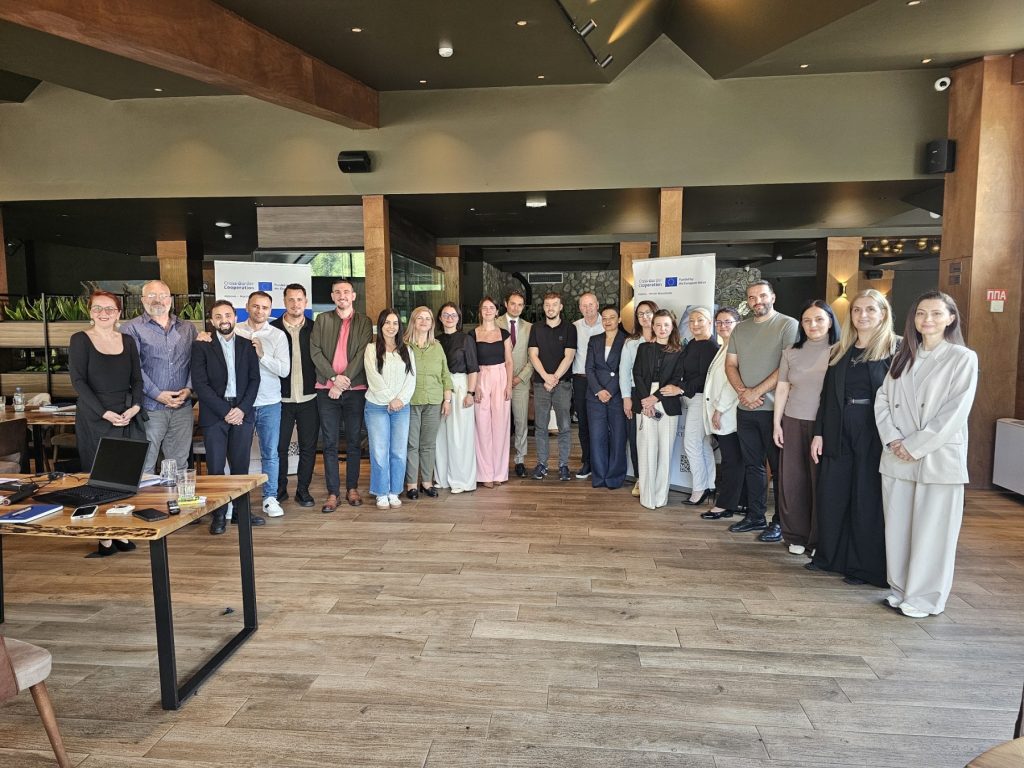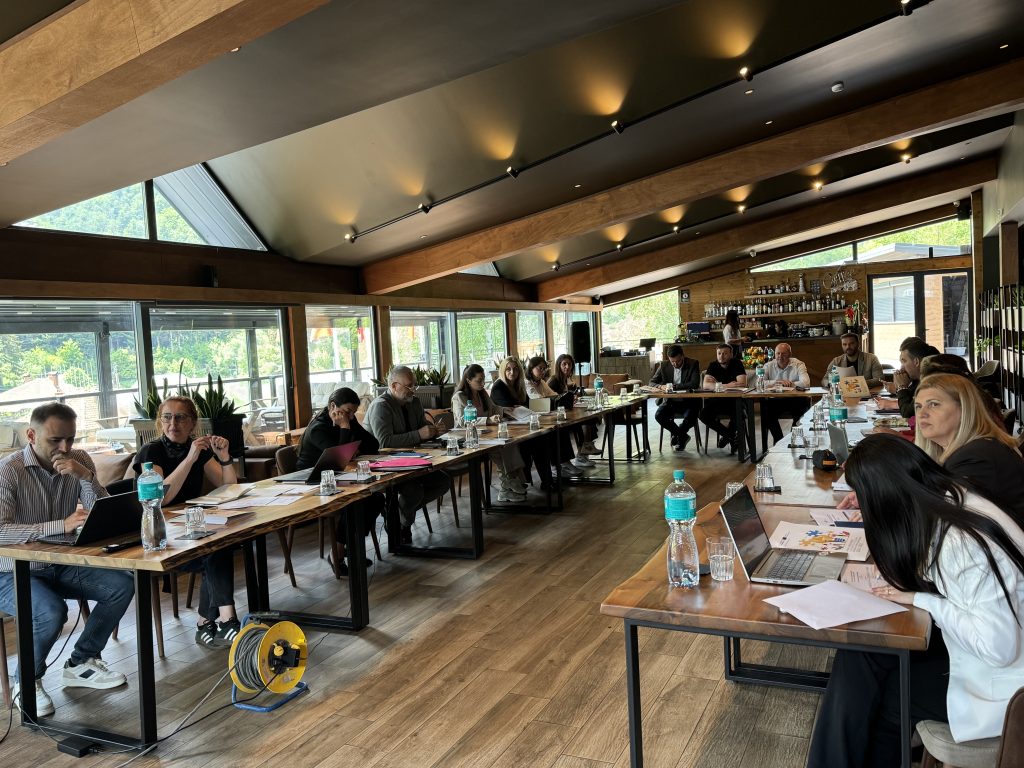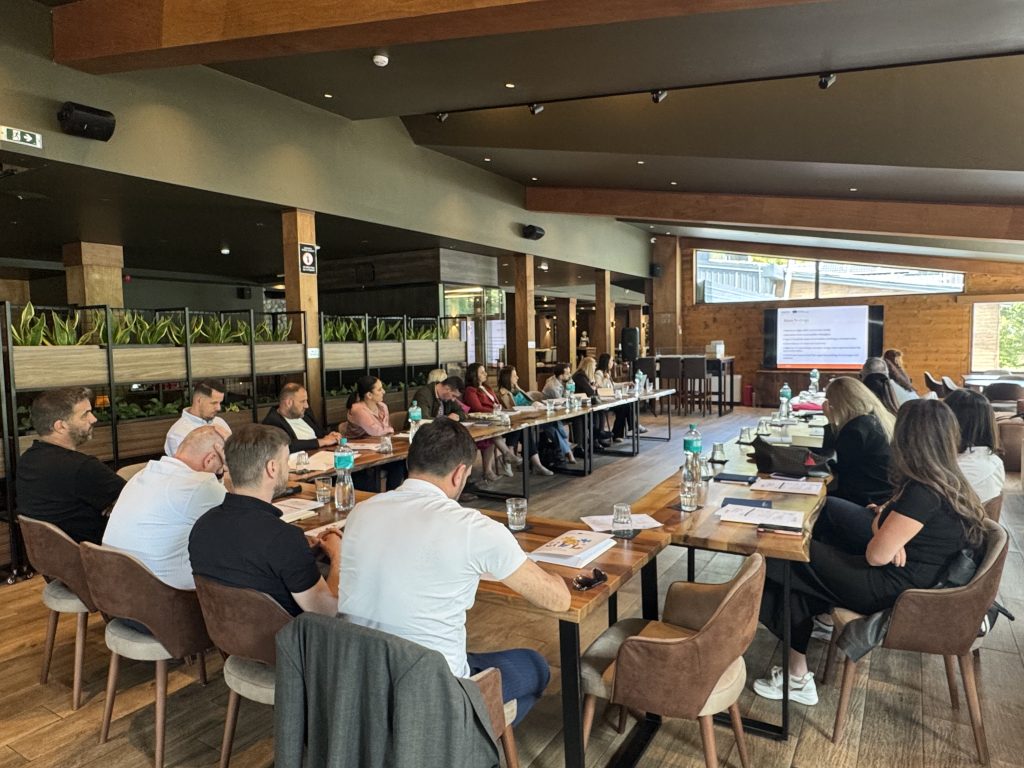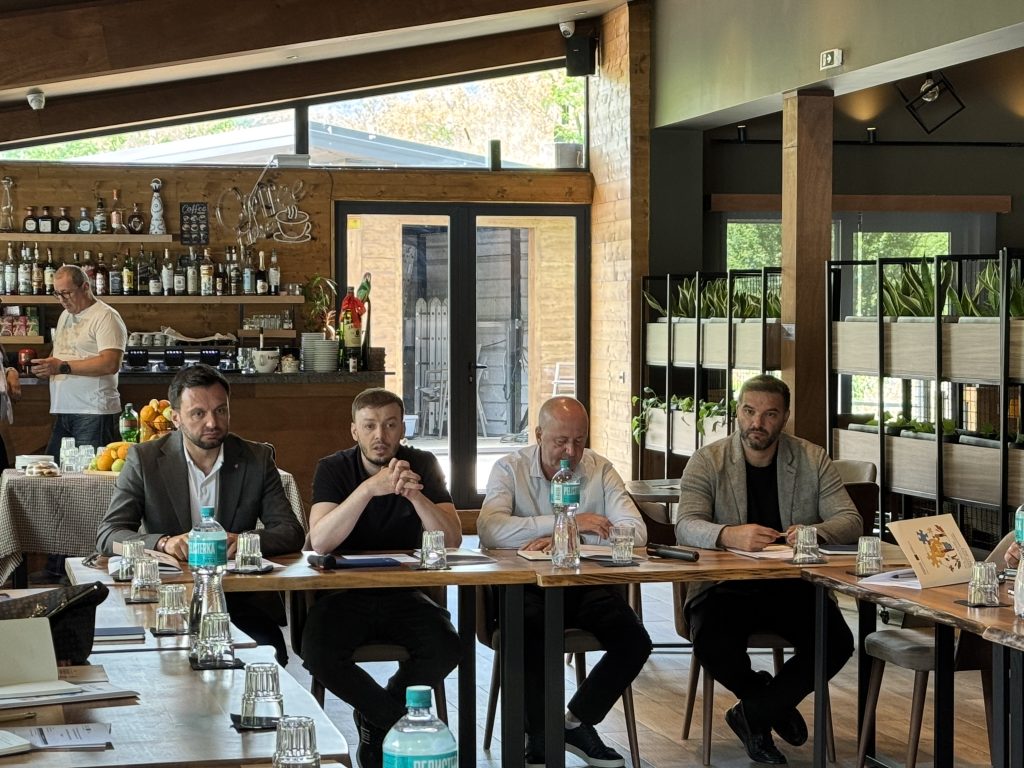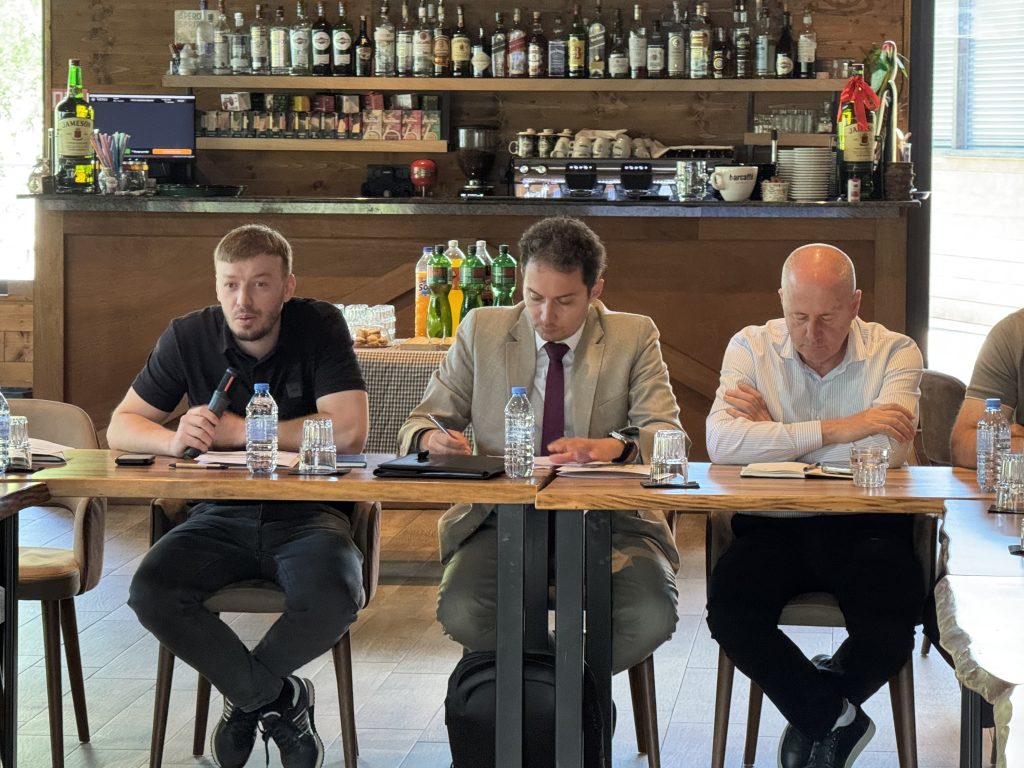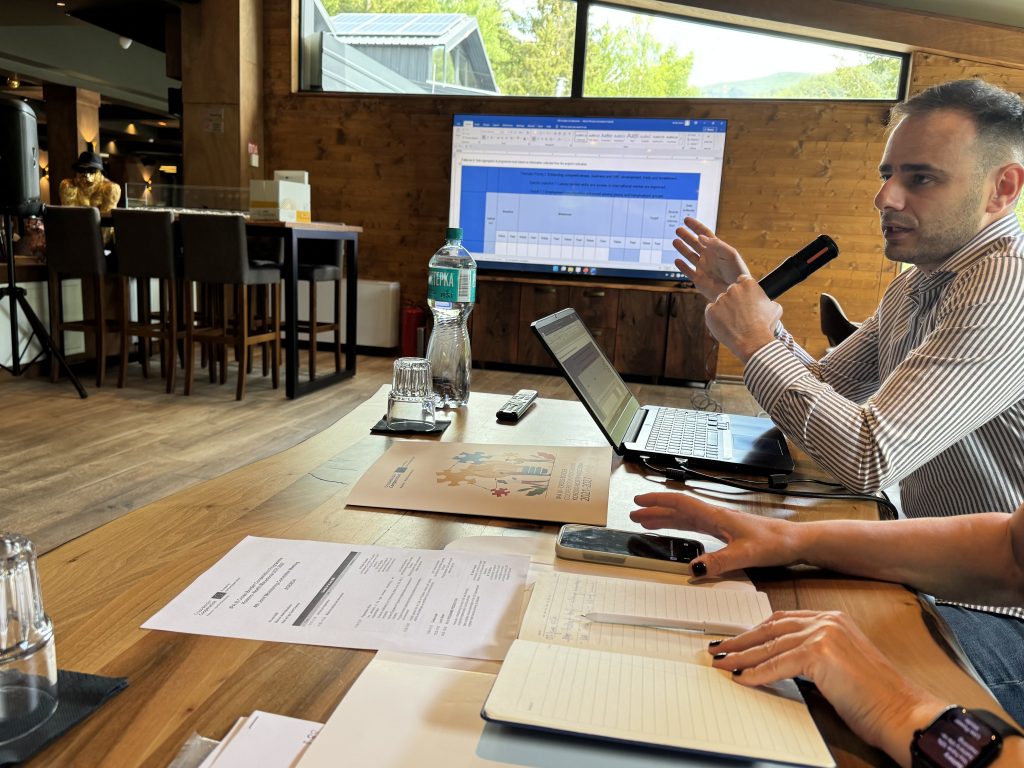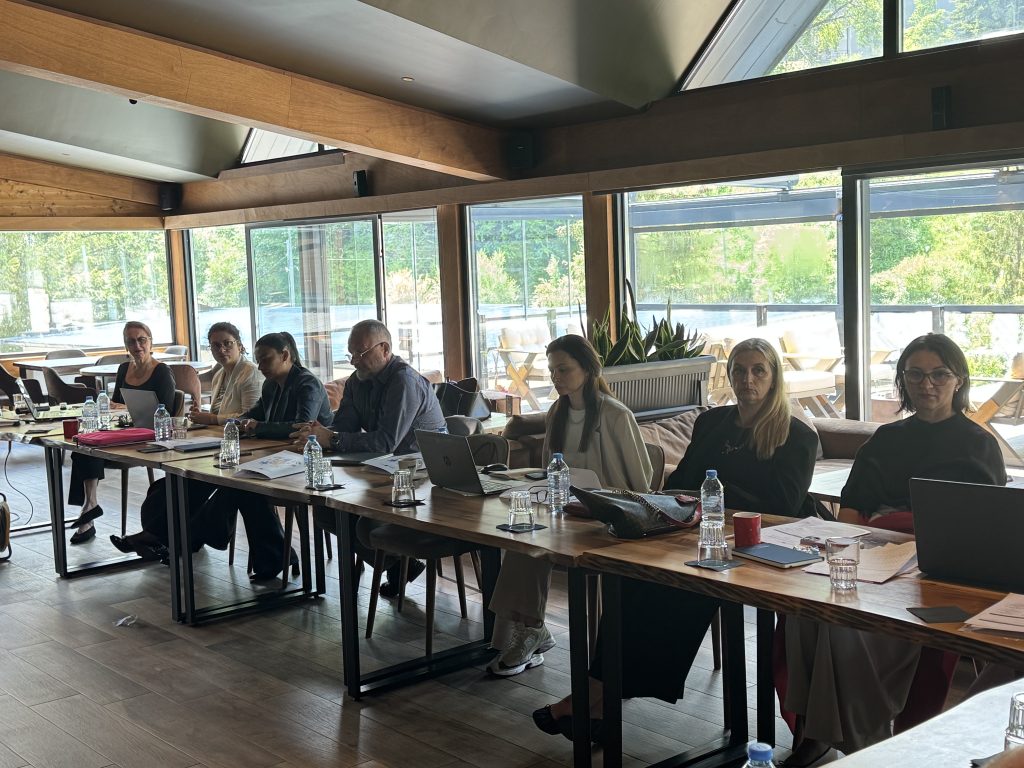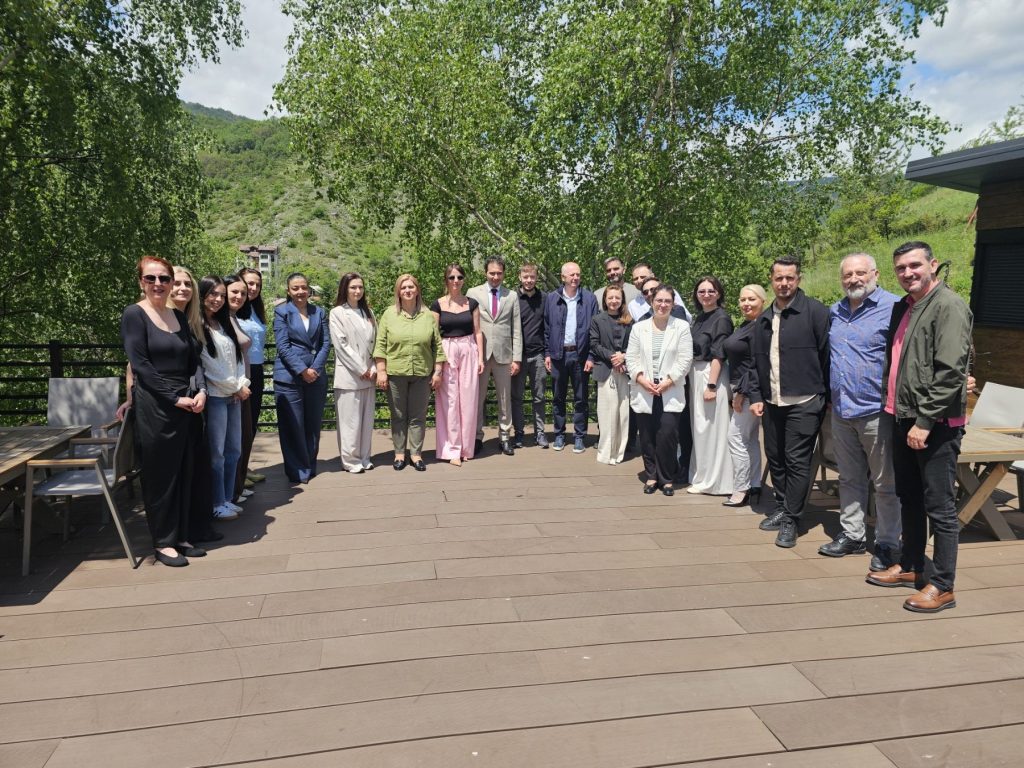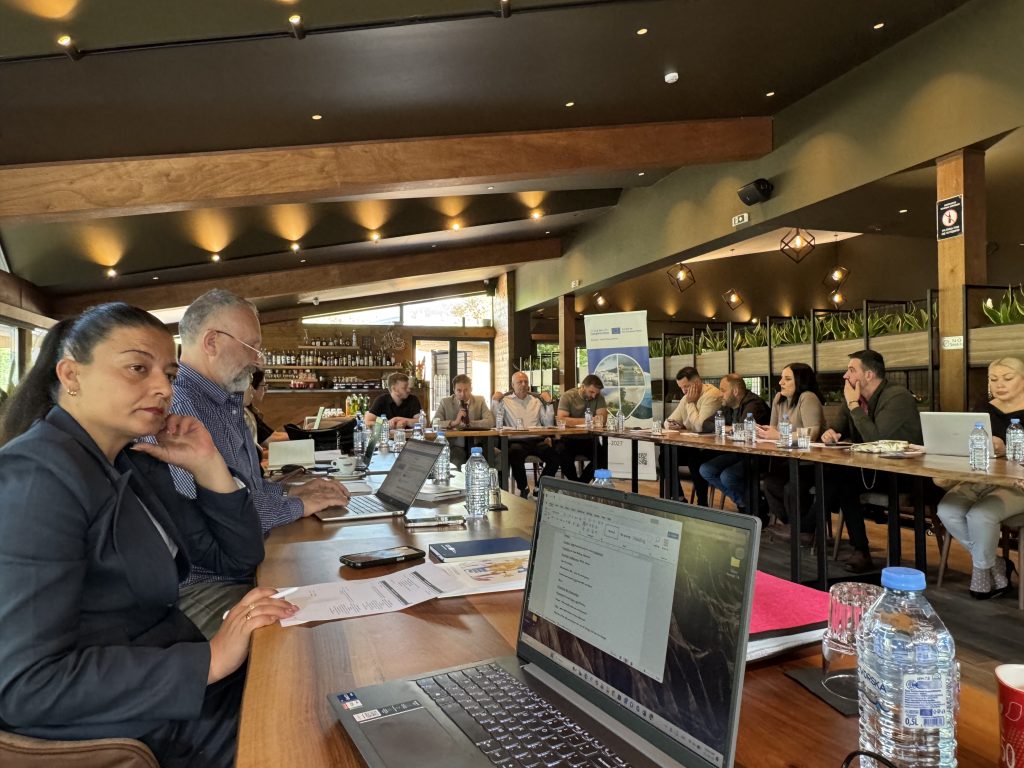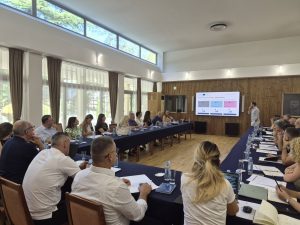
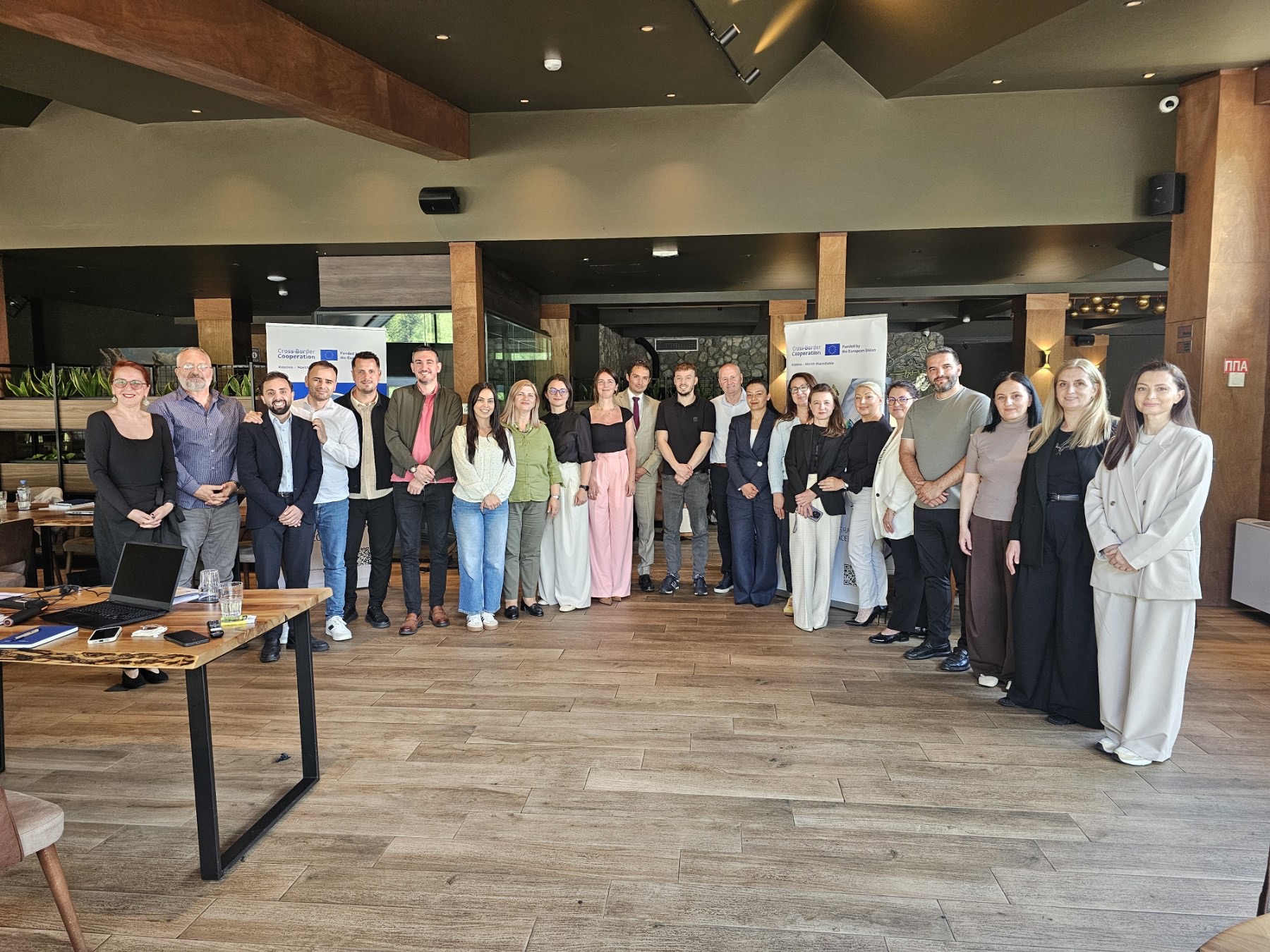
The 4th Joint Monitoring Committee (JMC) Meeting of the IPA III Cross-Border Cooperation Programme Kosovo–North Macedonia 2021–2027 was held on 2–3 June 2026 in Mavrovo, North Macedonia, bringing together representatives of the CBC Managing Structures, Joint Monitoring Committee members and the Joint Technical Secretariat to review programme implementation and discuss future priorities.
During the two-day meeting, participants reviewed key developments related to the programme’s legal and institutional framework, structural modifications, implementation progress, and the results of the mid-term evaluation. Discussions also focused on the current status of programme implementation, forthcoming initiatives, and lessons learned from the first Call for Proposals, including both achievements and challenges encountered during the contracting and evaluation processes.
The Committee further examined ways to strengthen advocacy efforts and enhance the role of local authorities in supporting programme implementation. Particular attention was given to reviewing progress towards the programme’s objectives and discussing the ongoing implementation of Technical Assistance activities, including planned milestones, deliverables, and coordination mechanisms with JMC members.
A key focus of the meeting was the preparation of the Second Call for Proposals under the IPA III CBC Programme Kosovo–North Macedonia 2021–2027. JMC members engaged in extensive discussions on the draft Concept Note, reviewing proposed thematic priorities, intervention logic and expected results. Through a collaborative process, participants worked towards finalising the Concept Note that will guide the launch of the upcoming call and support the development of new cross-border initiatives benefiting communities on both sides of the border.
The meeting reaffirmed the strong commitment of both participating countries to further strengthen cross-border cooperation and ensure the effective implementation of the Programme, contributing to sustainable development, social cohesion, and improved quality of life in the eligible border region.